By Zoe Dirse csc
Following the world premiere of The Ultra Runner at the 2026 Toronto International Film Festival, I had the opportunity to speak with cinematographer Van Royko csc about his experience shooting the feature documentary and the unique combination of intimacy, improvisation and technical challenges that shaped the film.
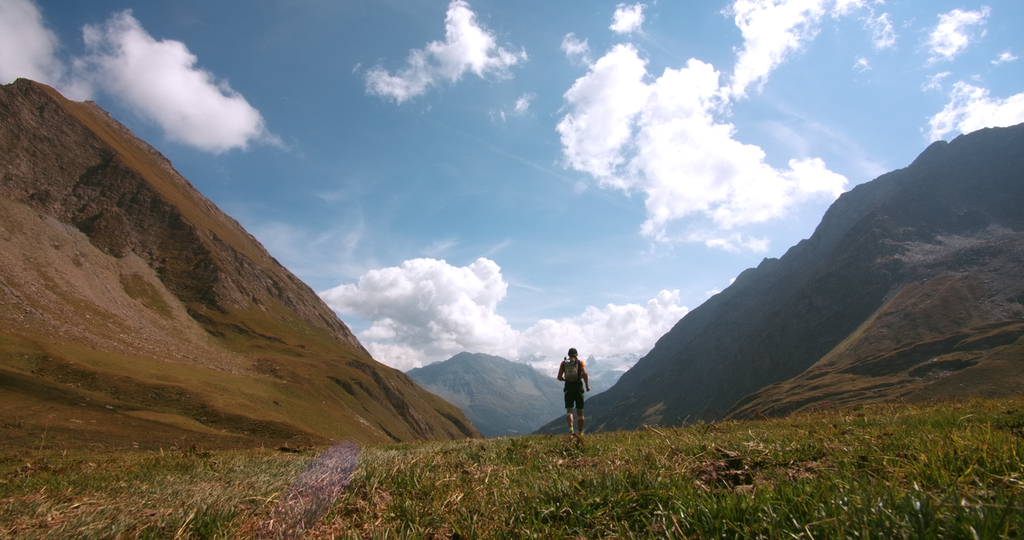
Directed by Mila Aung-Thwin, The Ultra Runner follows Romanian ultramarathoner Tibi Ușeriu, whose remarkable life has taken him from a childhood marked by violence and deprivation, through years in the criminal underworld and a decade in a high-security German prison, to finding a new path through endurance running. The film follows Tibi across the forests of Transylvania, the frozen landscape of the Canadian Arctic and the Italian Alps as his physical journey becomes an exploration of memory, survival and transformation.
For Royko, the film offered an opportunity to combine two very different approaches to cinematography. The production moves between a direct, fly-on-the-wall documentary style and carefully constructed re-enactments, requiring him to move between observation and more deliberate visual storytelling.
Working with Aung-Thwin gave Royko the freedom to explore that visual language. Documentary filmmaking, he explained, often requires cinematographers to react instinctively to what is happening in front of them rather than trying to control every element of a scene.
“Doc is like jazz or free jazz. There is a lot of improvisation.”
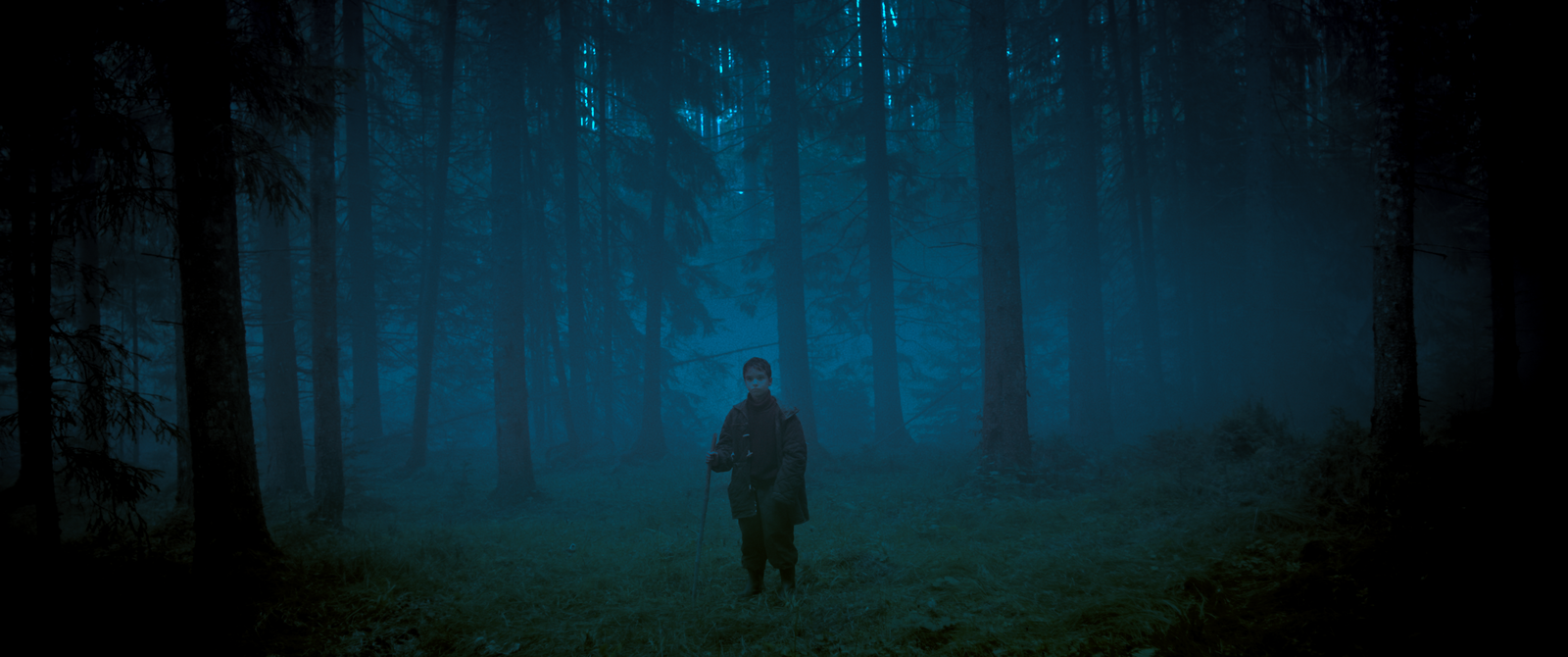
That improvisation became particularly important in his relationship with Tibi. While the scale of the film took Royko and the production through some extraordinary environments, some of his most memorable experiences happened when the filmmaking became much smaller and quieter.
“At times I was able to be alone with the protagonist and I was able to develop an amazing intimacy.”
For Royko, that relationship speaks to something fundamental about documentary cinematography: knowing when to observe, when to react and, perhaps most importantly, how to create an environment in which the person in front of the camera feels comfortable enough to simply be present.
“We need to learn how to be with people and create a safe place.”
That philosophy can be seen throughout Royko’s documentary work. An award-winning cinematographer and documentary director based in Montreal, his previous cinematography credits include Monsoon and Koneline. He has also co-directed documentaries including Let There Be Light, The Vote and Speed of Thought, and has collaborated with filmmakers including Yung Chang, Mila Aung-Thwin, Nettie Wild, Raoul Peck and Denys Arcand.
But The Ultra Runner also presented a very different side of documentary cinematography: an enormous technical and physical undertaking.
Drone cinematography played an important role in capturing the landscapes and movement at the centre of Tibi’s story. These sequences required extensive planning and coordination, with Royko describing the relationship between the camera and the action as being “almost like a dance.”
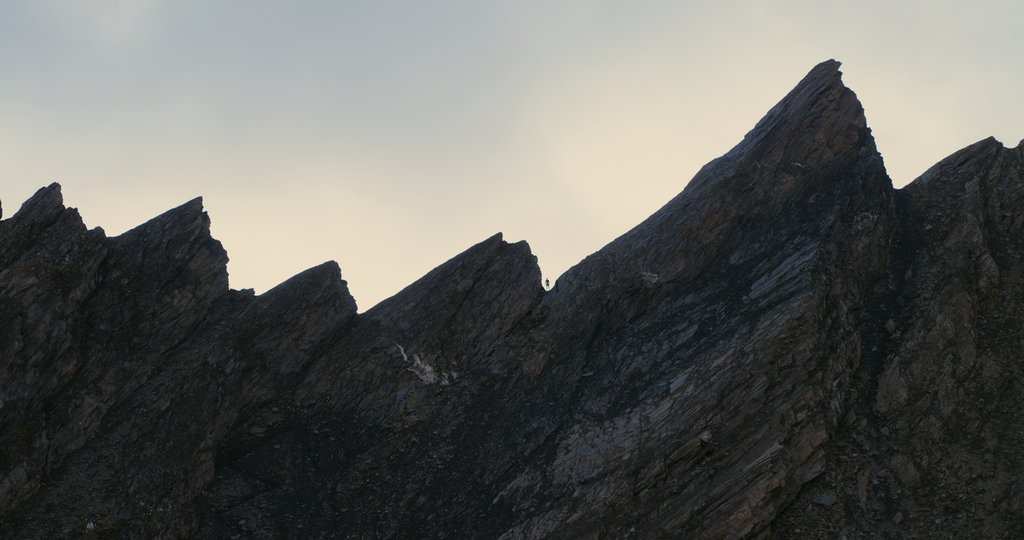
The technical side of filmmaking has always appealed to Royko. Describing himself as a “tech junkie,” he brought that curiosity to the production, shooting with cameras including the Sony FX3 and DJI Ronin 4D.
The combination of demanding physical production, evolving technology and intimate documentary work made The Ultra Runner particularly significant for him. Royko described the film as his “most accomplished project from a DP perspective,” and as an opportunity to bring together “the physical” and “the technical.”
That balance is perhaps what makes the cinematography of The Ultra Runner particularly interesting. The camera needs to capture the immense scale of an ultramarathon across unforgiving landscapes while remaining close enough to its subject to capture something deeply personal. Carefully planned aerial photography exists alongside moments in which Royko simply had to observe, respond and allow Tibi’s story to unfold.
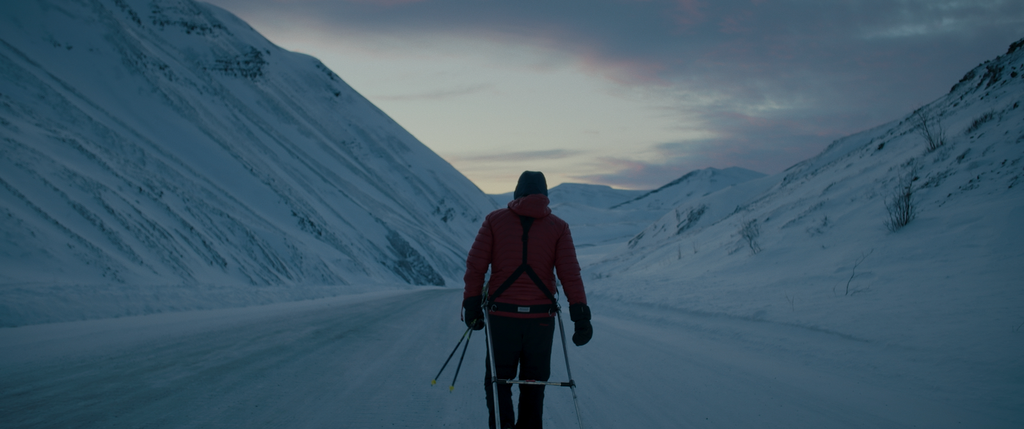
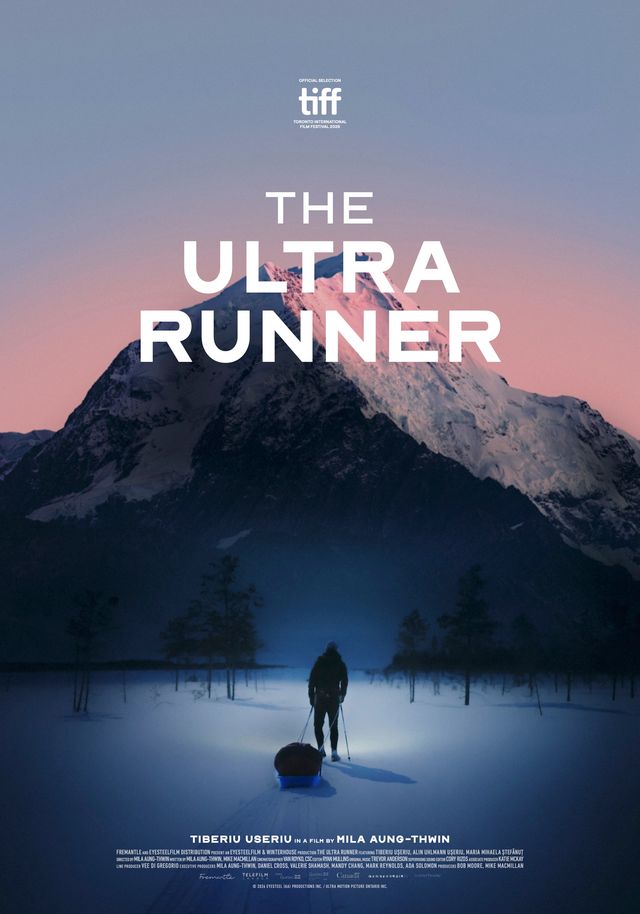
The film had its world premiere at TIFF on September 11 as part of the festival’s Docs programme. Directed by Aung-Thwin and produced by EYESTEELFILM and winterhouse pictures, the documentary is scheduled for a Canadian theatrical release in Spring 2027.
Royko is already looking ahead to his next projects. He is currently colour correcting his own documentary, The Science of Consciousness, which he describes as a cinematographer’s exploration of what it means to feel. He is also preparing to work as second camera alongside Pierre Gill csc on an upcoming series.
After a project that demanded both careful technical preparation and an ability to abandon that preparation when the moment called for it, Royko’s comparison between documentary filmmaking and jazz feels particularly fitting. The cinematographer may arrive with the equipment, experience and plan, but sometimes the most important part of the job is knowing how to listen, respond and improvise.
Van Royko csc sur la cinématographie de The Ultra Runner
par Zoe Dirse csc
À la suite de la première mondiale de The Ultra Runner au Festival international du film de Toronto 2026, j’ai eu l’occasion de m’entretenir avec le directeur de la photographie Van Royko csc au sujet de son expérience sur ce long métrage documentaire et de la combinaison unique d’intimité, d’improvisation et de défis techniques qui a façonné le film.
Réalisé par Mila Aung-Thwin, The Ultra Runner suit l’ultramarathonien roumain Tibi Ușeriu, dont le parcours exceptionnel l’a mené d’une enfance marquée par la violence et les privations à plusieurs années passées dans le milieu criminel, puis à une décennie dans une prison allemande de haute sécurité, avant qu’il ne trouve une nouvelle voie dans la course d’endurance. Le film accompagne Tibi à travers les forêts de Transylvanie, les paysages glacés de l’Arctique canadien et les Alpes italiennes, alors que son parcours physique devient aussi une exploration de la mémoire, de la survie et de la transformation.
Pour Royko, le film représentait une occasion de réunir deux approches très différentes de la cinématographie. La production alterne entre un style documentaire direct, de type « caméra témoin », et des reconstitutions soigneusement mises en scène, l’obligeant à passer constamment de l’observation à une narration visuelle plus construite.
Sa collaboration avec Aung-Thwin lui a donné la liberté d’explorer ce langage visuel. Le documentaire, explique-t-il, demande souvent aux directeurs de la photographie de réagir instinctivement à ce qui se déroule devant eux plutôt que de tenter de contrôler chaque élément d’une scène.
« Le documentaire, c’est comme le jazz ou le free jazz. Il y a beaucoup d’improvisation. »
Cette improvisation a pris une importance particulière dans sa relation avec Tibi. Si l’ampleur du film a mené Royko et l’équipe de production dans des environnements extraordinaires, certains de ses moments les plus marquants sont survenus lorsque le tournage devenait beaucoup plus intime et dépouillé.
« Par moments, j’ai pu être seul avec le protagoniste, et j’ai réussi à développer une intimité extraordinaire. »
Pour Royko, cette relation touche à quelque chose de fondamental en cinématographie documentaire : savoir quand observer, quand réagir et, surtout, comment créer un environnement dans lequel la personne devant la caméra se sent suffisamment en confiance pour simplement être présente.
« Il faut apprendre à être avec les gens et à créer un espace sécurisant. »
Cette philosophie se retrouve dans l’ensemble du travail documentaire de Royko. Directeur de la photographie primé et réalisateur de documentaires établi à Montréal, il compte parmi ses précédents crédits à l’image Monsoon et Koneline. Il a également coréalisé plusieurs documentaires, dont Let There Be Light, The Vote et Speed of Thought, et a collaboré avec des cinéastes tels que Yung Chang, Mila Aung-Thwin, Nettie Wild, Raoul Peck et Denys Arcand.
Mais The Ultra Runner présentait également une tout autre facette de la cinématographie documentaire : un défi technique et physique d’envergure.
La prise de vues par drone a joué un rôle important dans la représentation des paysages et du mouvement au cœur du parcours de Tibi. Ces séquences ont exigé une planification et une coordination considérables, Royko décrivant la relation entre la caméra et l’action comme étant « presque comme une danse ».
L’aspect technique du cinéma a toujours passionné Royko. Se décrivant comme un « accro à la technologie », il a mis cette curiosité au service de la production, utilisant notamment des caméras Sony FX3 et DJI Ronin 4D.
La combinaison d’un tournage physiquement exigeant, de technologies en constante évolution et d’un travail documentaire profondément intime a rendu The Ultra Runner particulièrement important pour lui. Royko décrit le film comme son « projet le plus accompli du point de vue d’un directeur de la photographie », ainsi qu’une occasion de réunir « le physique » et « la technique ».
C’est peut-être cet équilibre qui rend la cinématographie de The Ultra Runner particulièrement fascinante. La caméra doit saisir l’immensité d’un ultramarathon à travers des paysages impitoyables, tout en restant suffisamment proche de son sujet pour capter quelque chose de profondément personnel. Des prises de vues aériennes soigneusement planifiées côtoient ainsi des moments où Royko devait simplement observer, réagir et laisser l’histoire de Tibi se dérouler.
Le film a eu sa première mondiale au TIFF le 11 septembre dans le cadre du programme Docs du festival. Réalisé par Aung-Thwin et produit par EYESTEELFILM et winterhouse pictures, le documentaire doit sortir en salles au Canada au printemps 2027.
Royko se tourne déjà vers ses prochains projets. Il travaille actuellement à l’étalonnage de son propre documentaire, The Science of Consciousness, qu’il décrit comme l’exploration, par un directeur de la photographie, de ce que signifie ressentir. Il se prépare également à travailler comme deuxième caméra aux côtés de Pierre Gill csc sur une prochaine série.
Après un projet qui exigeait à la fois une préparation technique minutieuse et la capacité d’abandonner cette préparation lorsque le moment l’exigeait, la comparaison de Royko entre le documentaire et le jazz paraît particulièrement juste. Le directeur de la photographie peut arriver avec son équipement, son expérience et son plan, mais parfois, la partie la plus importante de son travail consiste simplement à savoir écouter, réagir et improviser.